Attack in Qatar
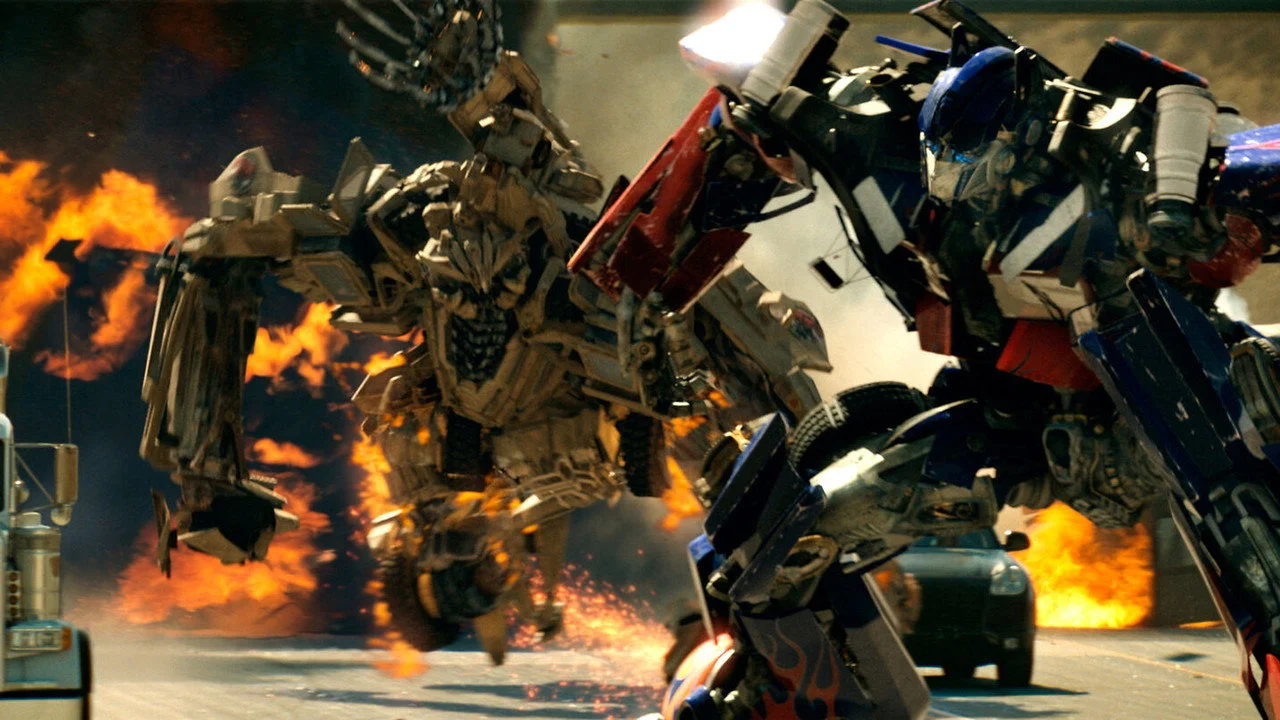
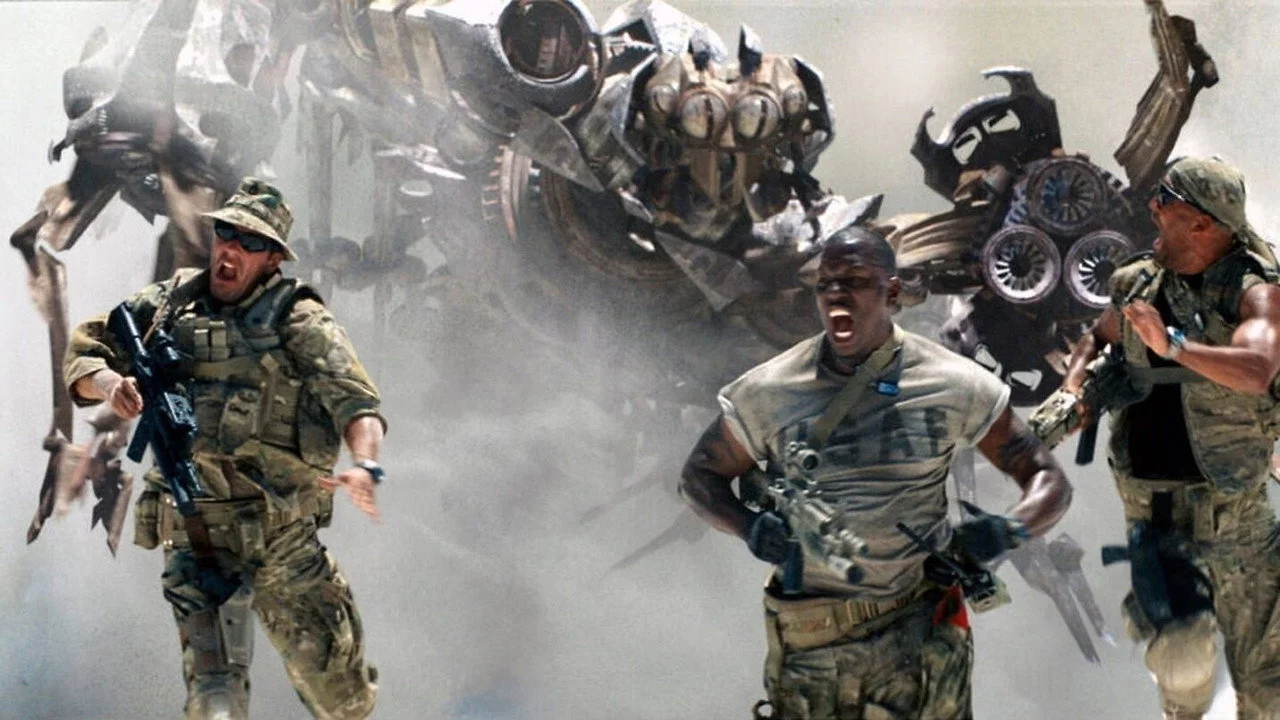
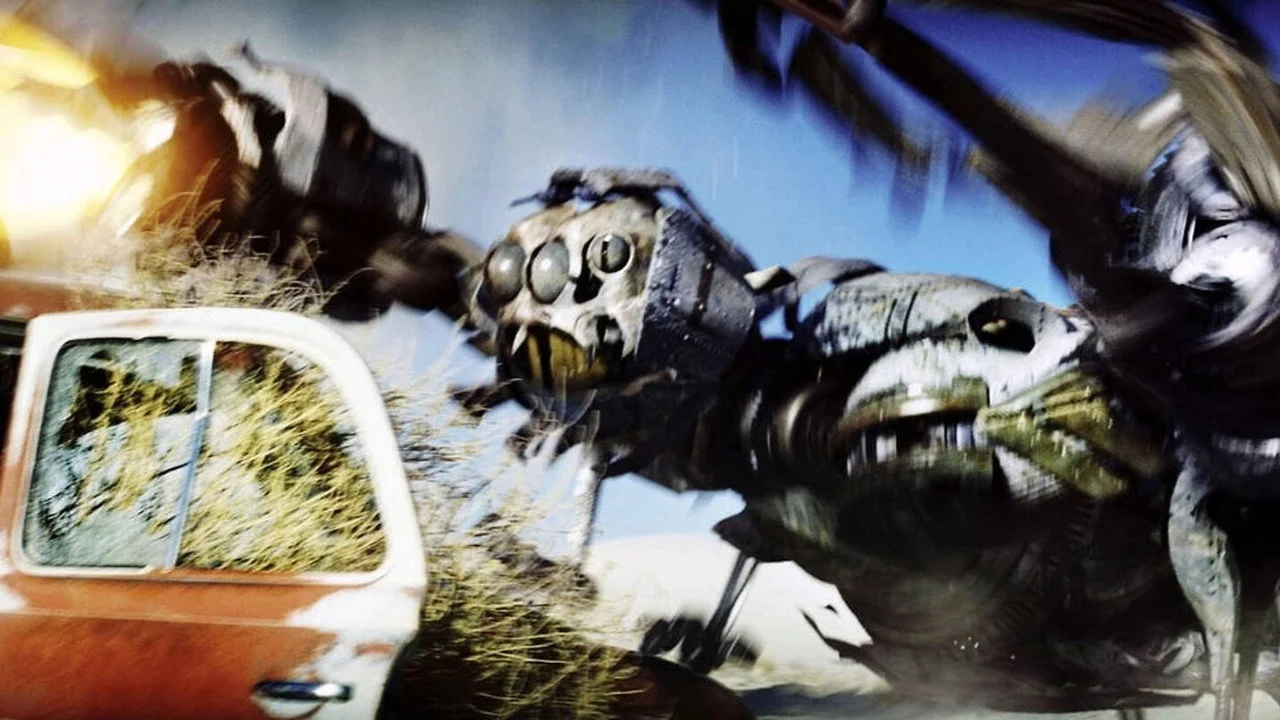
The Decepticon Blackout descends on a U.S. air base in Qatar as an MH-53 helicopter and tears it apart, establishing the alien threat and the grounded, military-thriller register the franchise would keep.
Cold open, ILM
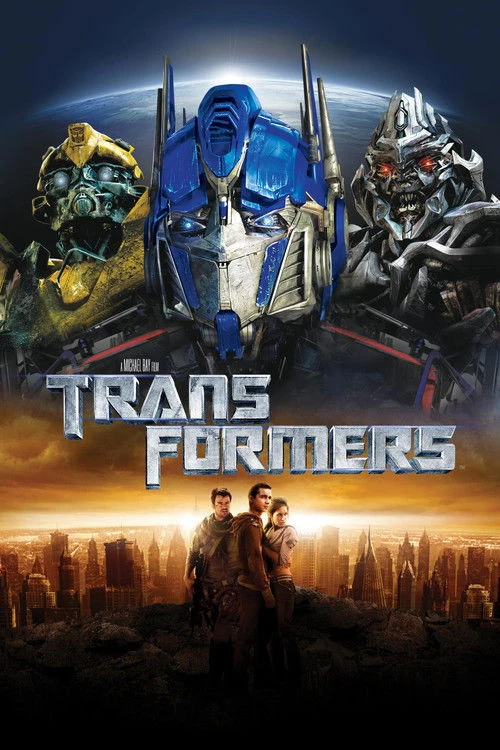
// STREAMING NOW ON PARAMOUNT+
Their war. Our world.
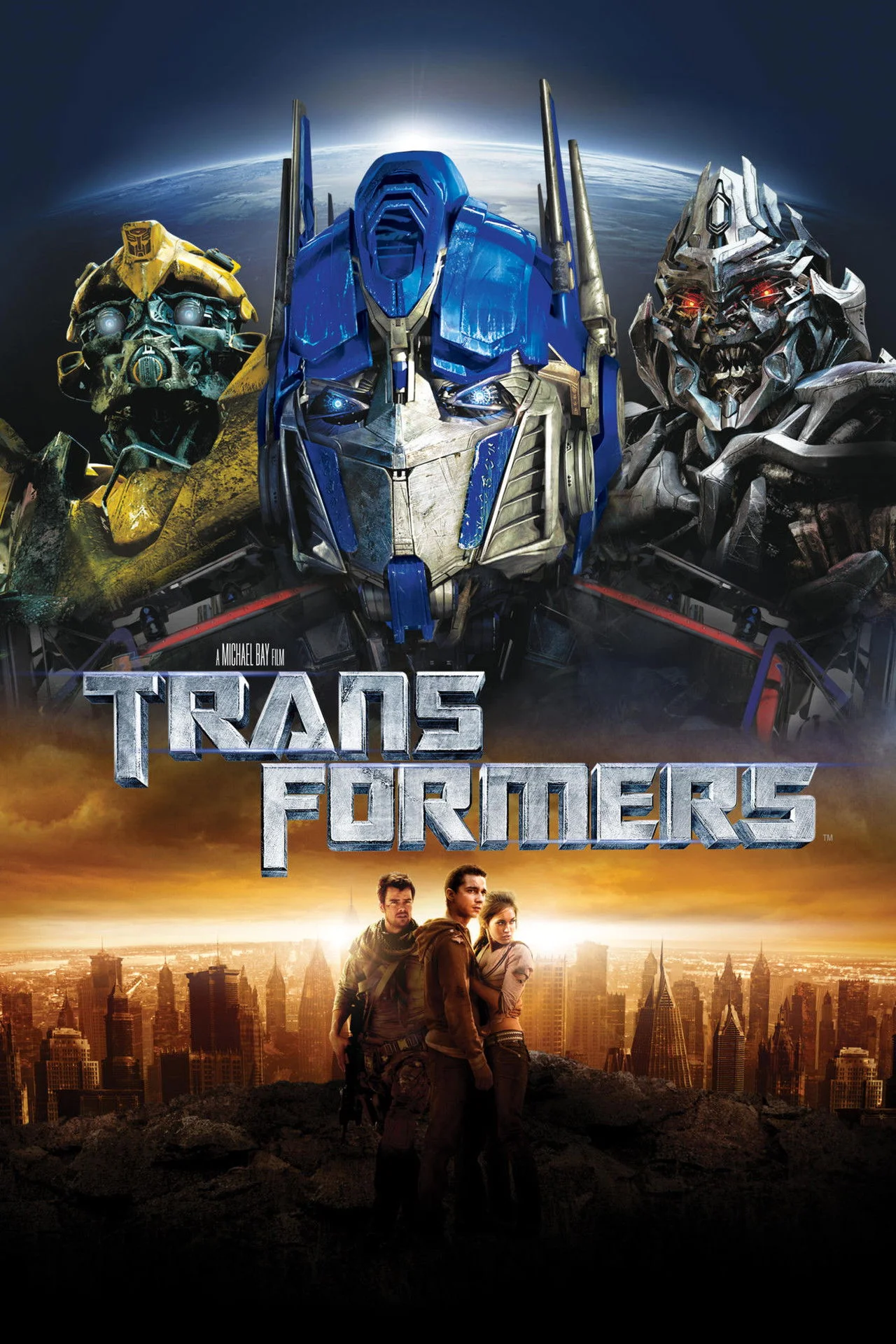
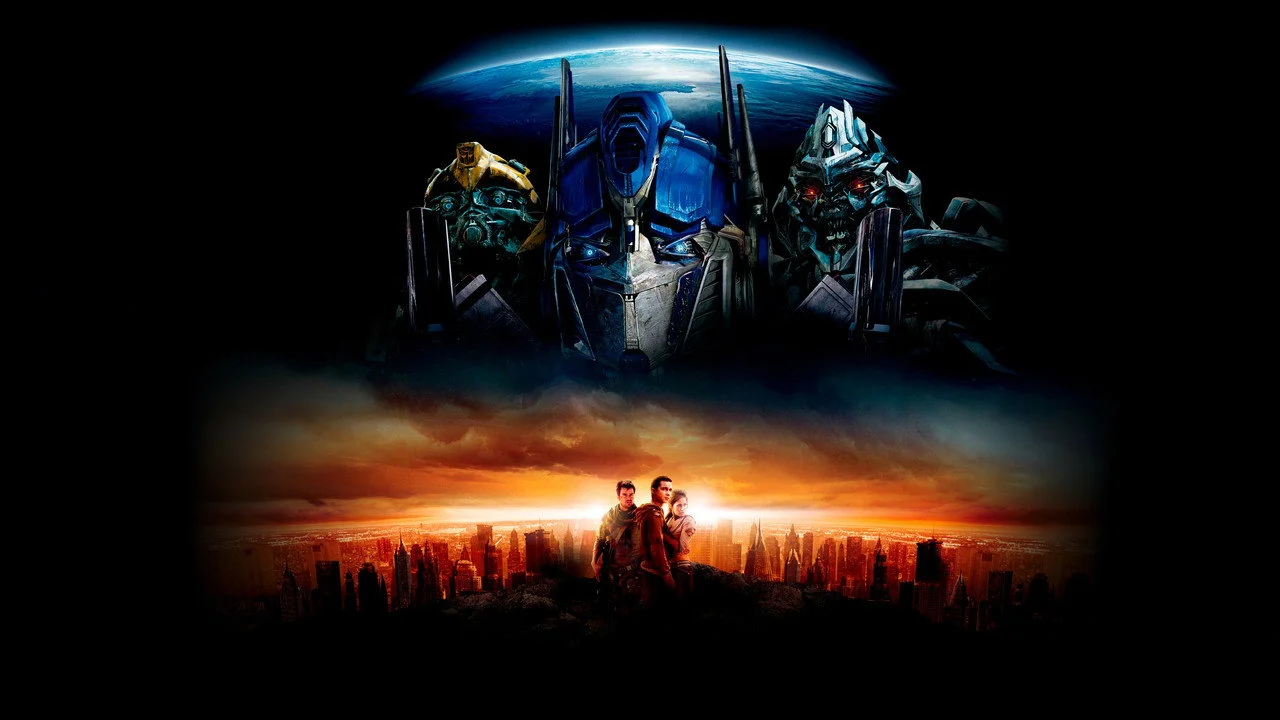
Michael Bay and Steven Spielberg dragged a 1980s toy line into photoreal blockbuster cinema, anchoring a war between giant alien robots to a teenager and his first car. Peter Cullen returned as Optimus Prime, ILM reset the bar for visual effects, and one summer rebuilt a dormant brand into a franchise. This is the deepest record of it anywhere: every score, every character, every secret, and the long road that got it to the screen.
// THE VERDICT
A high-water mark the sequels would never match: a 57 percent Tomatometer against an 85 percent audience score, and a rare A from CinemaScore on opening night. Critics raved about the effects and energy while grumbling about the length and the human screen time.
It is goofy fun with a lot of stuff that blows up real good, and it has the grace not only to realize how preposterous it is, but to make that into an asset.
Shia LaBeouf, a smart, natural comedian, levels the bluntness of this toy story with an ironic bluster. The script may have rubbery legs, but the action is rock-hard. Treat it as a comedy for best results.
Big, loud and full of testosterone-fueled car fantasies, the film hits a new peak for CGI work, showcasing spectacular chases and animated transformation sequences seamlessly blended into live-action surroundings.
This is a wet dream for fanboys, with vehicles that whiz and whir into alien robots, spectacular sci-fi stunt chases and glistening military hardware.
There is general raving about the mechanical heroes and general grumbling about the excessive screen time given to some of the human characters.
It is louder, flashier, and more hollow than anything else out there. All the effort went into making the robots look cool; nothing went into developing a compelling storyline.
The complexity of Industrial Light and Magic’s work is staggering: the way metal flows and reconfigures on screen resets the bar for what visual effects can do.
A boy-and-his-first-car story wrapped around forty-foot robots, it rebuilt a dormant toy brand into one of the biggest film franchises of its time in a single summer.
On a reported budget of 150 million dollars, Transformers opened to roughly 70 million over its first weekend and built on strong word of mouth to about 319 million domestically and 709.7 million worldwide, a staggering return. It set the record for the biggest opening week for a non-sequel, topping Spider-Man, and was one of the highest-grossing films of 2007, turning a dormant toy brand into a tentpole franchise overnight.
// THE STORY
A teenager named Sam Witwicky buys his first car, a battered yellow Camaro, with no idea it is a living alien hiding in plain sight. The car is Bumblebee, scout for the Autobots, and Sam has unknowingly become the key to a war that crossed the galaxy to reach his driveway.
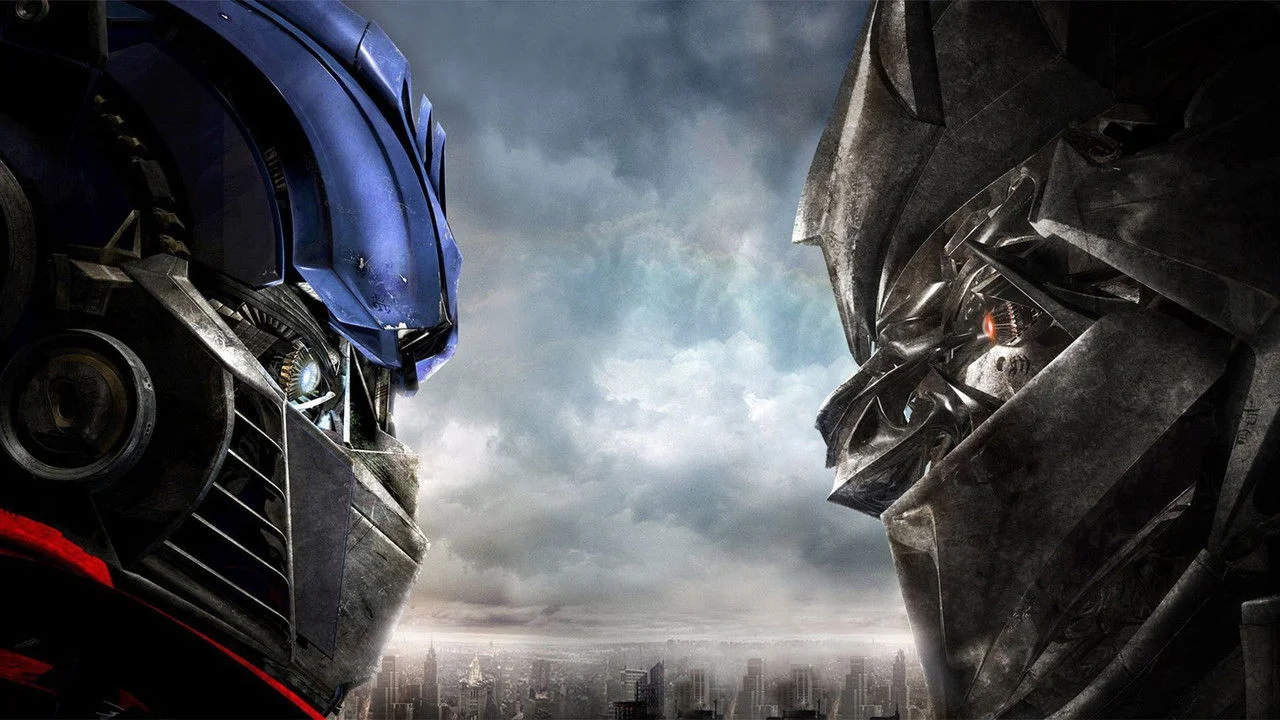
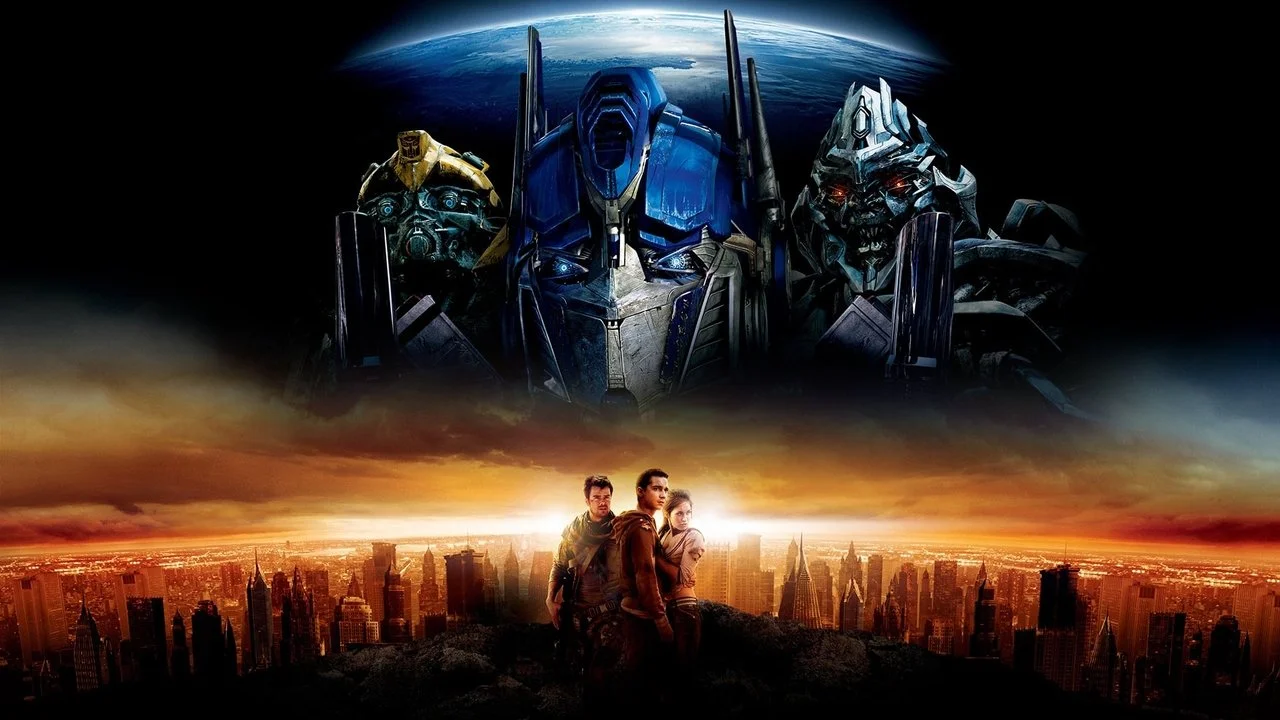
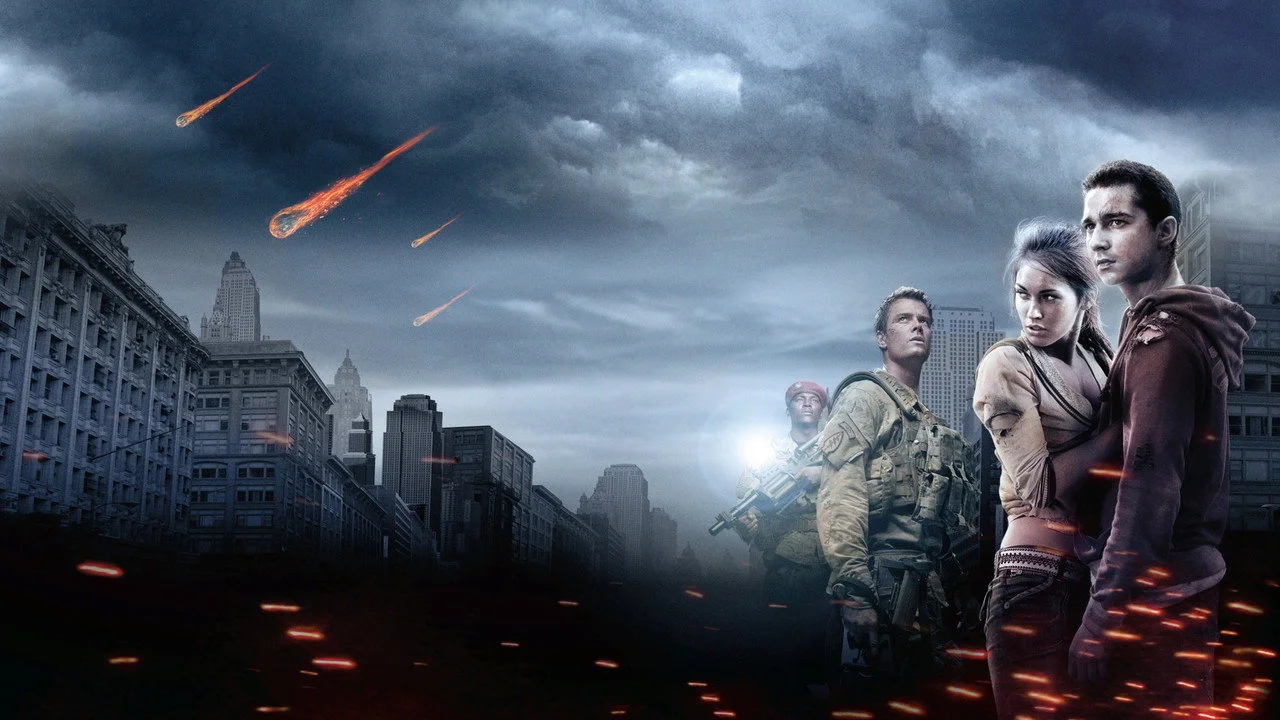
Both factions have come to Earth for the AllSpark, the artifact that gives Cybertronians life, lost here long ago and traced through a pair of glasses Sam inherited from his explorer great-grandfather. The Decepticons, led by the frozen-then-revived Megatron, will tear apart a city to take it. The film moves from suburban comedy to a downtown war as the Autobots, the human military and a small band of soldiers who survived a Decepticon attack in Qatar converge to keep the AllSpark out of Megatron’s hands.
The redesign was the film’s biggest gamble: ILM traded the cartoon’s blocky shapes for hyper-detailed machines whose transformations looked like a real mechanical process, resetting the bar for visual effects.
By keeping the robots offscreen early and betting on Sam first, the film wrapped forty-foot robots in a coming-of-age comedy, a grounded tone that became the franchise’s signature.
Steven Spielberg’s simple hook, a boy and his car, turned a dormant 1980s toy line into a blockbuster tentpole and reshaped Hasbro into a studio partner with cinematic ambitions.
A boy-and-his-car story wrapped around forty-foot robots, it earned over 700 million dollars and rebuilt a toy brand into a blockbuster franchise in a single summer.
// INTERACTIVE CHARACTER EXPLORER
Tap any robot for the voice actor, the alt-mode, the backstory, and our read on how faithful the design and role are to Generation One.
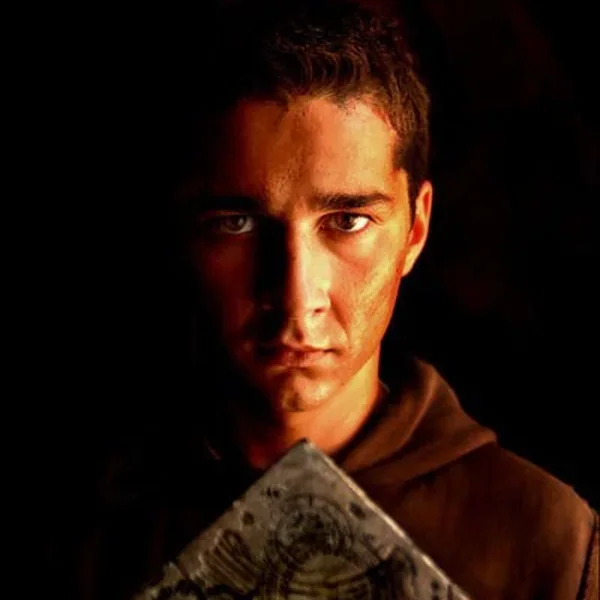 Sam Witwicky Shia LaBeouf The teenage everyman whose first car turns out to be Bumblebee, and the key to the AllSpark. His nervy, fast-talking energy carries the film’s first hour and anchors the whole series.
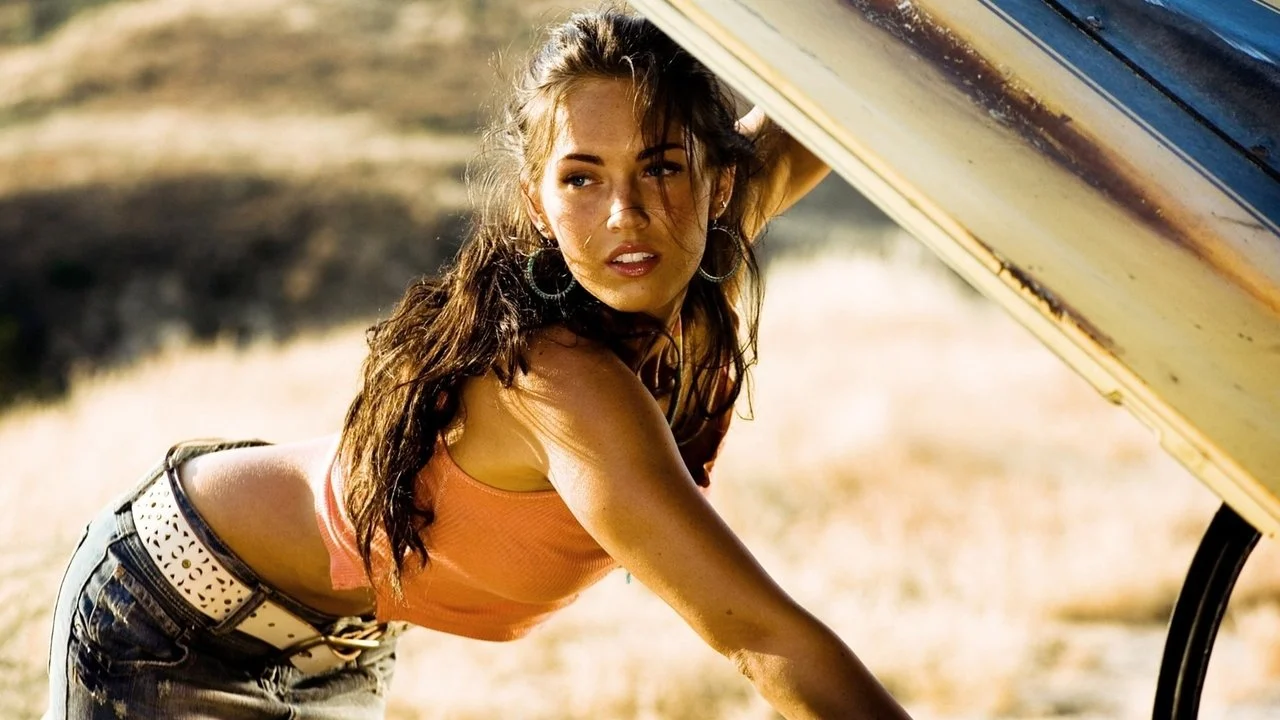
  Mikaela Banes Megan Fox Sam’s classmate and love interest, a car-savvy mechanic who joins the fight. Fox’s breakout role and half of the film’s human pulse.
  Captain Lennox Josh Duhamel The Army Ranger who survives the Qatar attack and leads the surviving soldiers into the alliance with the Autobots.
 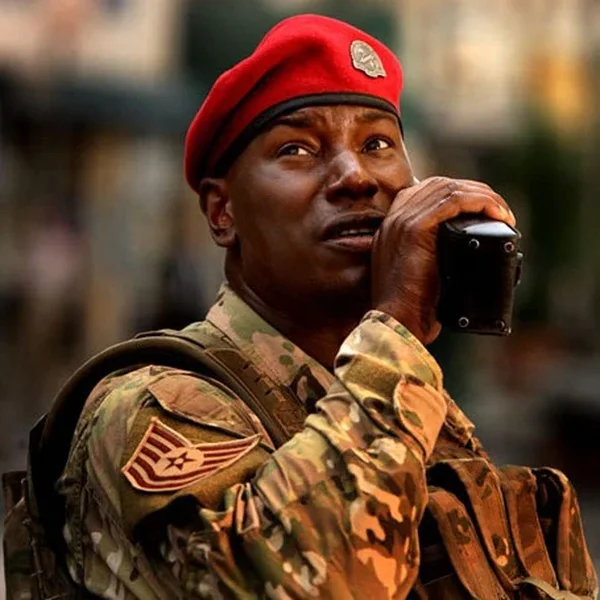 USAF Master Sgt. Epps Tyrese Gibson Lennox’s combat controller and comic foil, key to calling in the air support in the finale.
  Agent Simmons John Turturro The abrasive agent of the secret Sector Seven, guardian of the frozen Megatron and the AllSpark, and the film’s comic wildcard.
 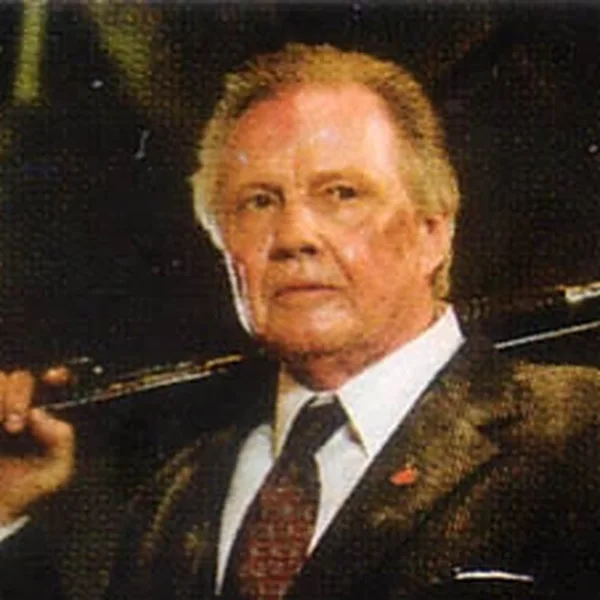 Secretary Keller Jon Voight The U.S. Secretary of Defense coordinating the human response as the Decepticon attacks escalate.
 // THE FILM, MOMENT BY MOMENT
The beats the film is built on, walked in order. Click any still to enlarge. Everything from Barricade Hunts Sam on is a spoiler. These slots are built to take two-minute scene clips as they are added; for now, official stills stand in.
The Decepticon Blackout descends on a U.S. air base in Qatar as an MH-53 helicopter and tears it apart, establishing the alien threat and the grounded, military-thriller register the franchise would keep.
Cold open, ILM
Sam Witwicky buys a battered yellow Camaro with no idea it is the living Autobot scout Bumblebee. The John Hughes-inflected suburban comedy grounds the spectacle in a teenage everyman.
Human lead introduced
The clue to the AllSpark is etched on a pair of glasses Sam inherited from his explorer great-grandfather, sending both factions converging on one ordinary teenager.
Inciting artifact
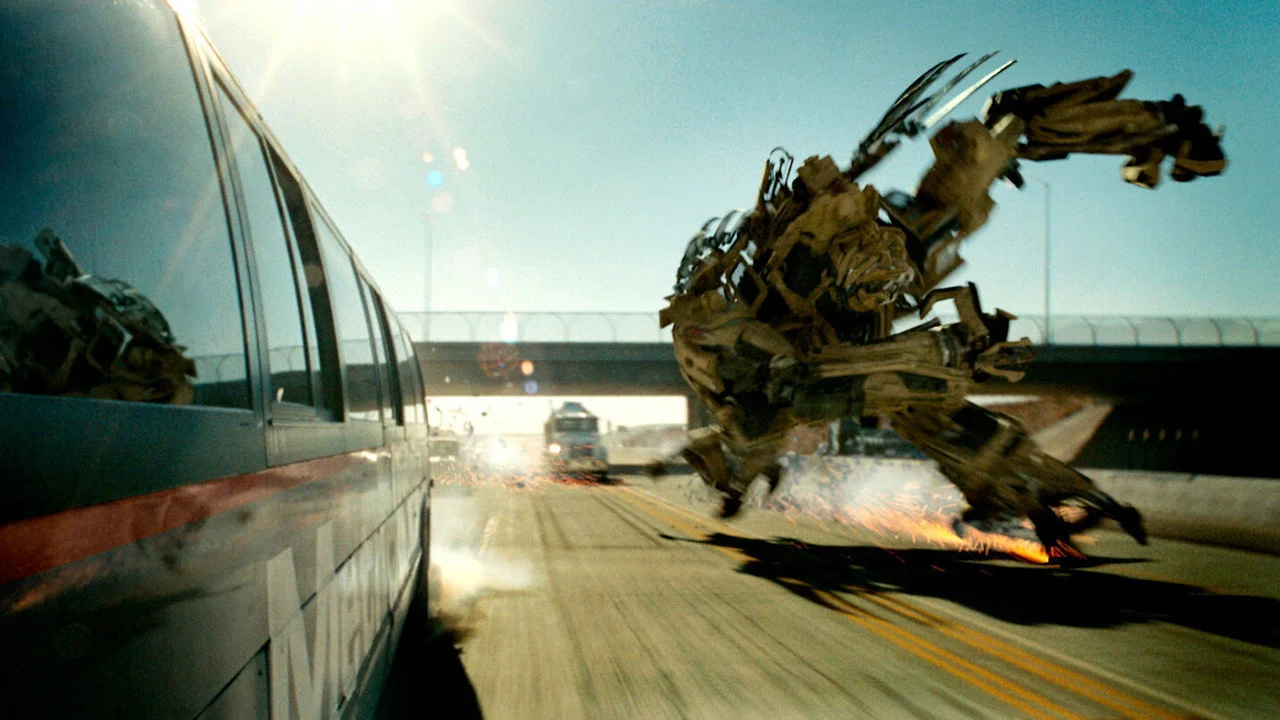
A Decepticon disguised as a police Mustang stalks Sam and Mikaela through the city, its cruiser reading "to punish and enslave," before Bumblebee reveals himself as their protector.
The chase begins
Optimus Prime, Jazz, Ironhide and Ratchet streak to Earth and transform for the first time, Peter Cullen’s voice announcing the heroes to a new generation in photoreal metal.
Autobots assemble
Sector Seven’s frozen prisoner thaws: Megatron, voiced by Hugo Weaving, breaks loose to hunt the AllSpark, turning the film toward all-out war.
Second act
Autobots, human soldiers and Decepticons collide in a city-leveling battle, the ILM effects work reaching full throttle as forty-foot robots brawl through real streets.
Third act, ILM
Cornered atop a ruined skyscraper, Sam is forced into an impossible choice with the AllSpark that decides Megatron’s fate and the Earth’s. The novelty, craft and heart still in balance.
Resolution
// THE ROAD TO TRANSFORMERS
Four years from Spielberg’s pitch to a record-setting opening, a deliberate bet that a boy-and-his-car story could carry a robot war. Scroll the timeline.
Roberto Orci and Alex Kurtzman framed the story around human longing and a coming-of-age arc, deliberately keeping the robots off screen for long stretches early. Bay’s instinct for scale and chaos, often criticised, was exactly what the premise needed to sell forty-foot robots brawling in a real street.
// CRAFT & VFX
Industrial Light & Magic abandoned the cartoon’s simple blocky shapes for hyper-detailed machines built from thousands of moving parts, so a transformation looked like a real mechanical process rather than a magic fold. It was the film’s biggest gamble and its greatest technical achievement.
Optimus Prime alone was assembled from more than ten thousand individually animated pieces. The complexity was so extreme that ILM had to write new tools just to manage it, resetting the industry bar for CG detail and simulation.
Bay pushed for real military hardware, real locations and real pyrotechnics, with the robots composited into plates shot on the ground. The Department of Defense lent genuine aircraft, tanks and bases, grounding the spectacle in a convincing physical world.
The visual and sound work earned three Academy Award nominations, for Best Visual Effects, Best Sound Editing and Best Sound Mixing, and swept the Visual Effects Society awards, the most awards recognition of any live-action entry in the series.
Directed by Michael Bay; visual effects by Industrial Light & Magic; score by Steve Jablonsky. The film earned three Academy Award nominations, for Best Visual Effects, Best Sound Editing and Best Sound Mixing.
// THE SOUND OF THE REBOOT
Steve Jablonsky wrote the film’s themes for a full orchestra and choir, conducted by Nick Glennie-Smith and performed by the Hollywood Studio Symphony. Anchored by a positive, major-key horn march for the heroes, first heard in the opening cue Autobots, and the soaring Arrival to Earth, his score became the sonic identity of the whole live-action series. Around it, the film pushed a rock-forward soundtrack led by Linkin Park’s What I’ve Done.
Original score by Steve Jablonsky, the official Transformers: The Score album playlist via YouTube.
// OFFICIAL TRAILER
Official trailer via Paramount Movies on YouTube. Embedded with youtube-nocookie for viewer privacy.
// THE CAMPAIGN
The campaign leaned on a slow, mysterious reveal, teasing the robots in fragments and hiding full transformations, betting that the sheer novelty of photoreal Transformers would sell tickets on curiosity alone.
Marketing put Optimus Prime’s returning voice at the heart of the pitch, reassuring longtime fans that the childhood hero was intact even as the designs changed radically.
Pairing executive producer Steven Spielberg with director Michael Bay branded the film as a top-tier summer event, lending a toy-line adaptation instant blockbuster credibility.
Paramount and DreamWorks positioned the film squarely for the Independence Day weekend, the prime real estate of the American blockbuster calendar, and it delivered a record non-sequel opening week.
// EASTER EGGS & DEEP CUTS
Tap a card to flip it.
// COLLECT THE MOVIE
The Autobots and Decepticons of the 2007 film, each linked to its full dossier and figures in our encyclopedia.
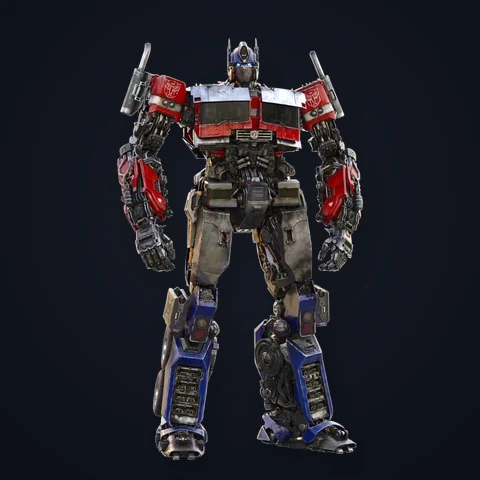 Optimus Prime The returning voice of Peter Cullen, redesigned as a flame-decaled Peterbilt. Read his dossier and track the movie figures in the archive. View dossier →
 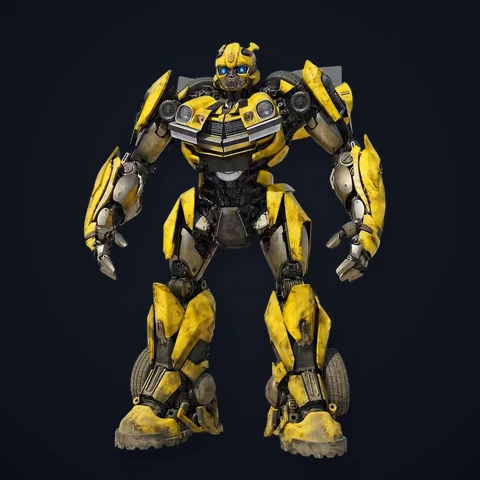 Bumblebee Sam’s Camaro guardian and the heart of the series. Explore his profile and the 2007 figures. View dossier →
 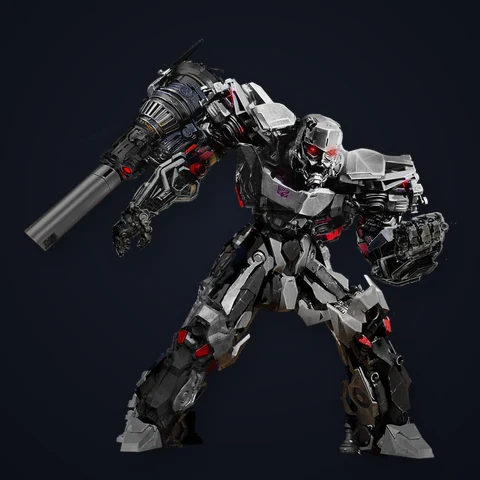 Megatron The revived Decepticon leader voiced by Hugo Weaving. See the villain’s dossier and figures. View dossier →
 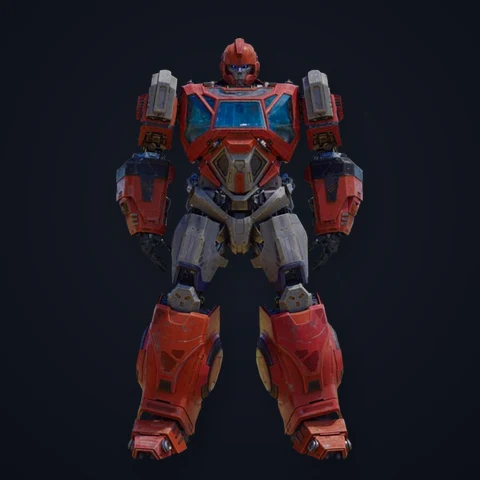 Ironhide The gruff weapons specialist, a GMC Topkick. Walk his history in the encyclopedia. View dossier →
 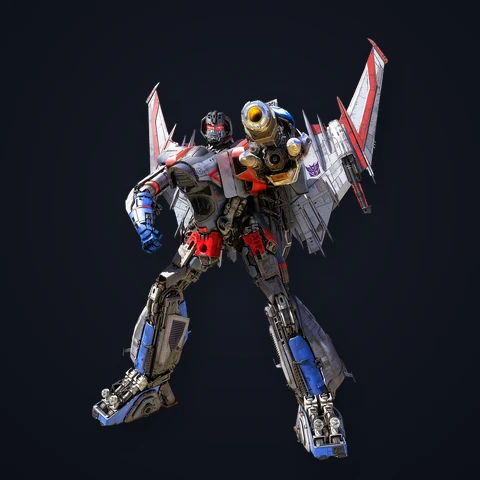 Starscream Megatron’s treacherous F-22 air commander. Browse his Decepticon entry and figures. View dossier →
 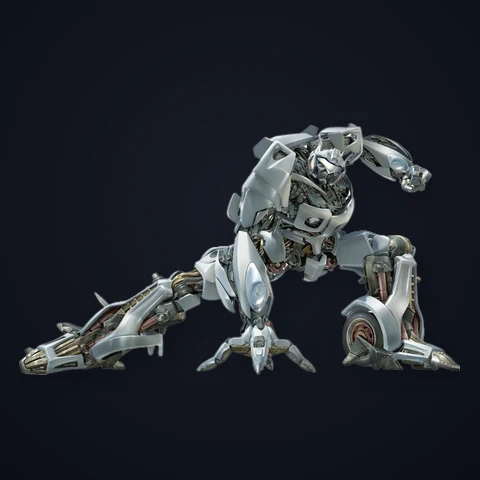 Jazz Prime’s smooth lieutenant, a silver Pontiac Solstice. Read his dossier. View dossier →
 // THE GALLERY
Official stills, grouped by act. Open a section, then click any frame to view it full screen. Built to take the full screencap set as it grows.
// FREQUENTLY ASKED
No. The 2007 film began the original Michael Bay continuity of five films from 2007 to 2017. Bumblebee (2018) and Rise of the Beasts (2023) belong to a separate rebooted timeline set in the 1980s and 1990s. The 2007 film is its own starting point.
Peter Cullen returned to voice Optimus Prime, the role he originated in the 1984 cartoon. Hugo Weaving voiced Megatron, recording remotely and never meeting the cast.
The AllSpark is an ancient cube-shaped artifact that gives Cybertronians life. Lost on Earth long ago, it is the object both the Autobots and Decepticons are hunting, and the reason the war reaches Sam Witwicky’s town.
The filmmakers updated Bumblebee’s alt-mode from the classic G1 Beetle to a Chevrolet Camaro for a more modern, muscular look. A brief shot of an older Beetle appears as a nod to longtime fans before he scans the Camaro.
On a reported 150 million dollar budget, Transformers grossed about 319 million dollars domestically and roughly 709.7 million dollars worldwide, making it one of the highest-grossing films of 2007 and the top non-sequel of the year.
It earned three Academy Award nominations, for Best Visual Effects, Best Sound Editing and Best Sound Mixing, and swept the Visual Effects Society awards. It is the most Oscar-nominated entry in the live-action franchise.
No. The 2007 film has no post-credits scene. The sequels in the Bay series would later add mid- and post-credits teases, but the original plays straight to the end of its credits.
In the United States it streams on Paramount+ with a subscription, and is available to rent or buy on Fandango at Home, Amazon Video, Apple TV and other digital storefronts, plus DVD, Blu-ray and 4K.
// WHERE TO WATCH
Streams on Paramount+, or own the 4K UHD.
Some links on this page are affiliate links that support transformers.tv. We may earn a commission on qualifying purchases at no extra cost to you.
Pick your side
Hero80 Network