The secret of 1961
A Cybertronian ship, the Ark, crashes on the far side of the Moon. The United States detects it, and the 1969 Apollo landing is revealed as a covert mission to investigate the wreck and its lost cargo.
Cold open, history rewritten
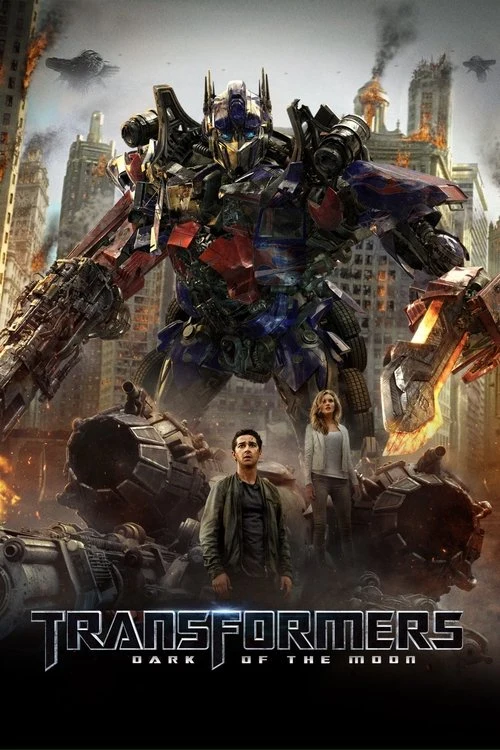
// THE END OF THE WITWICKY TRILOGY
Earth will fall.
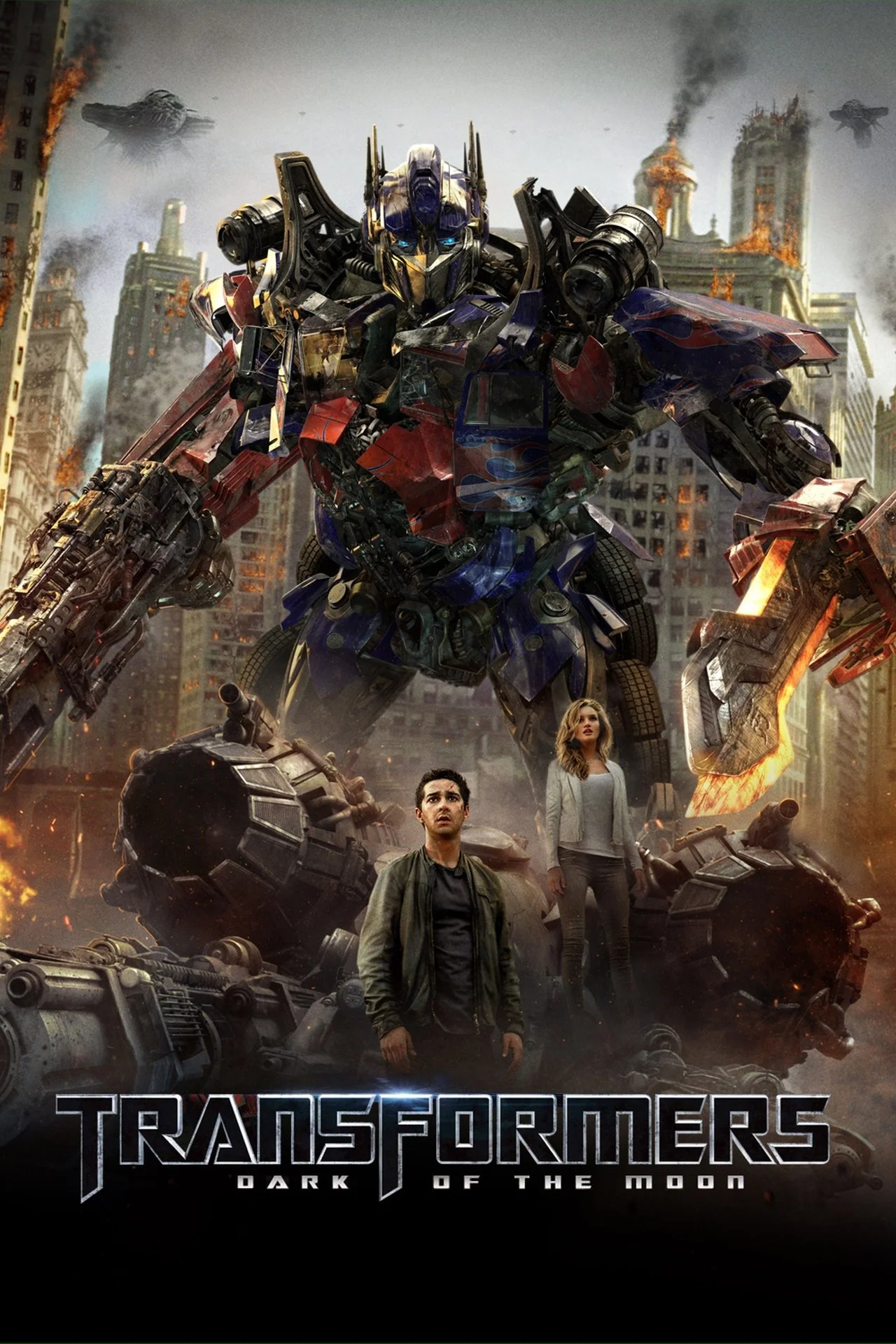
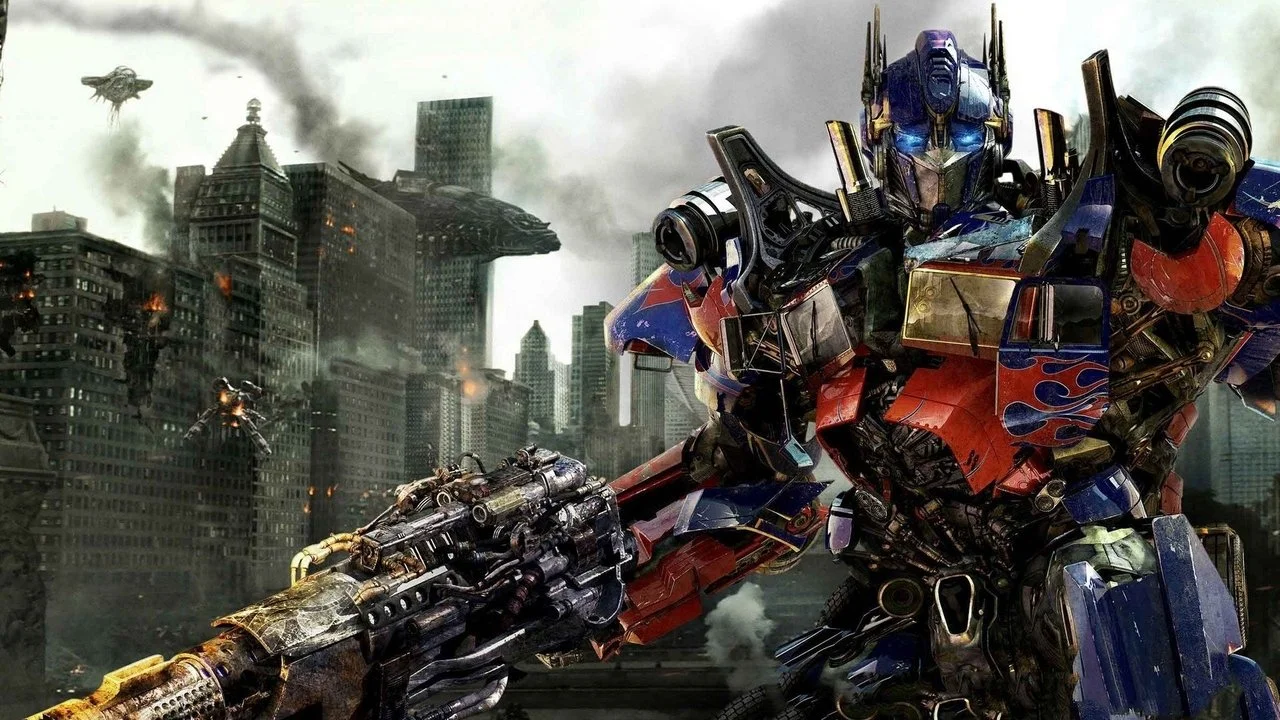
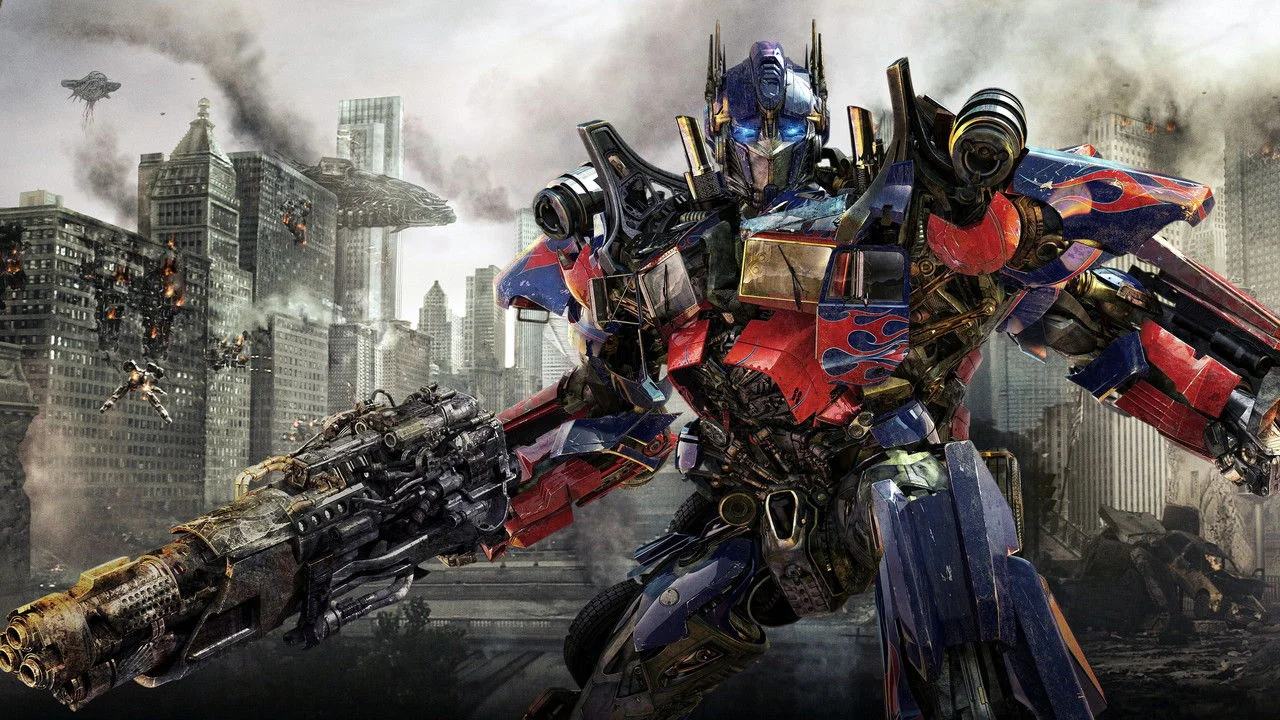
Michael Bay’s trilogy-closing third film reframed the 1960s Space Race as a cover-up, revived a traitor voiced by Leonard Nimoy, and levelled Chicago in a native-3D battle still cited as the technical peak of the live-action series. It became the first Transformers movie to cross a billion dollars. This is the deepest record of it anywhere: every score, every character, every secret, and the long road that got it to the screen.
// THE VERDICT
Reviews improved over Revenge of the Fallen without winning critics over: a 35 percent Tomatometer and a 42 on Metacritic, against a warmer 55 percent audience score and an A from CinemaScore on opening night. Most reviewers praised the spectacle and native-3D craft while criticising the length, the thin human story and the relentless noise.
As a performance-art act of juvenile Id-fulfillment, it’s magnificent.
Nothing you see makes any sense at all, but the sensations are undeniable, and kind of fun in their vertiginous, supercaffeinated way.
The franchise remains as much an endurance test as a movie, but at least a better Bay has delivered a leaner, meaner, cleaner 3-D rage against the machines.
The climactic Bayhem, in which the Decepticons occupy Chicago and transform it into a smoking ruin, is stunning. Price-of-admission-alone stunning.
But don’t worry about remembering the characters, the movie certainly doesn’t.
Marveling at its grotesque gigantism doesn’t make this two-and-a-half-hour-long movie any less dull.
It is a plot that cannot be described in terms of structure, more in terms of duration. When it stops, it’s over.
A movie bereft of wit, wonder, imagination, and any genuine reason for being. Watching it makes you die a little inside.
LaBeouf, who appeared to hit a low in the Kingdom of the Crystal Skull, has sunk to greater levels of incompetence here.
On a reported budget near 195 million dollars, Dark of the Moon opened to a massive global launch and finished around 1.124 billion dollars worldwide, roughly 352 million at home and 771 million abroad. It became the first Transformers film to cross a billion, the fifth film ever to pass that mark at the time and the year’s second-highest earner, with 3D and IMAX premium pricing doing heavy lifting. An A CinemaScore showed audiences left far happier than the reviewers.
// THE STORY
The film rewrites history: the 1969 Moon landing was secretly a mission to investigate a crashed Cybertronian ship on the lunar far side, the Ark, carrying the Autobots’ lost leader Sentinel Prime and a cache of war-ending technology called the pillars. In the present, Sam Witwicky is a frustrated college graduate who cannot find work despite having twice helped save the world.
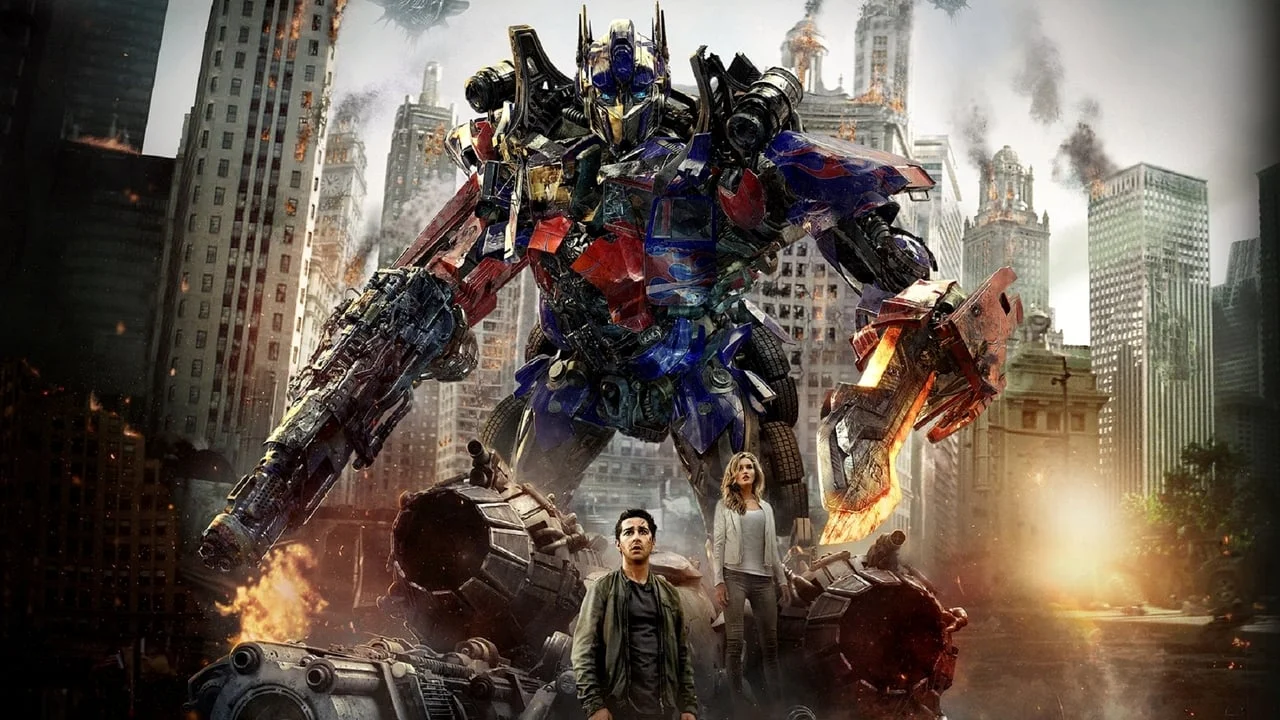
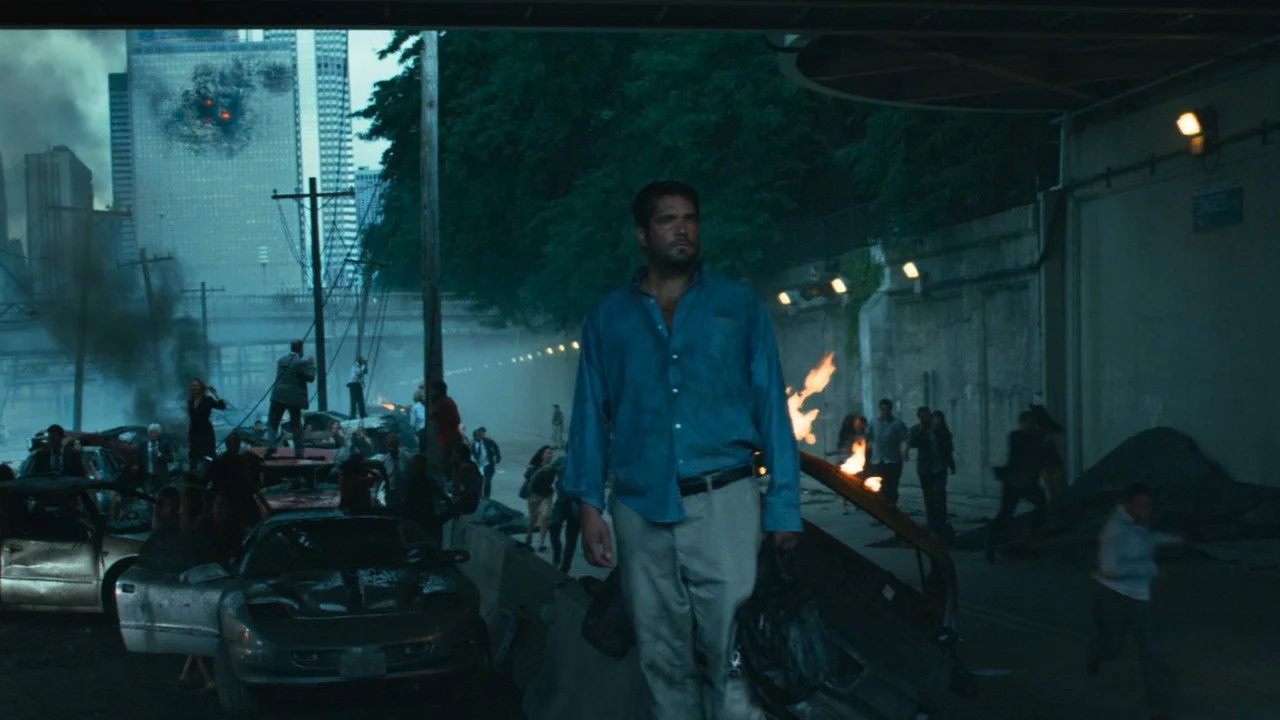
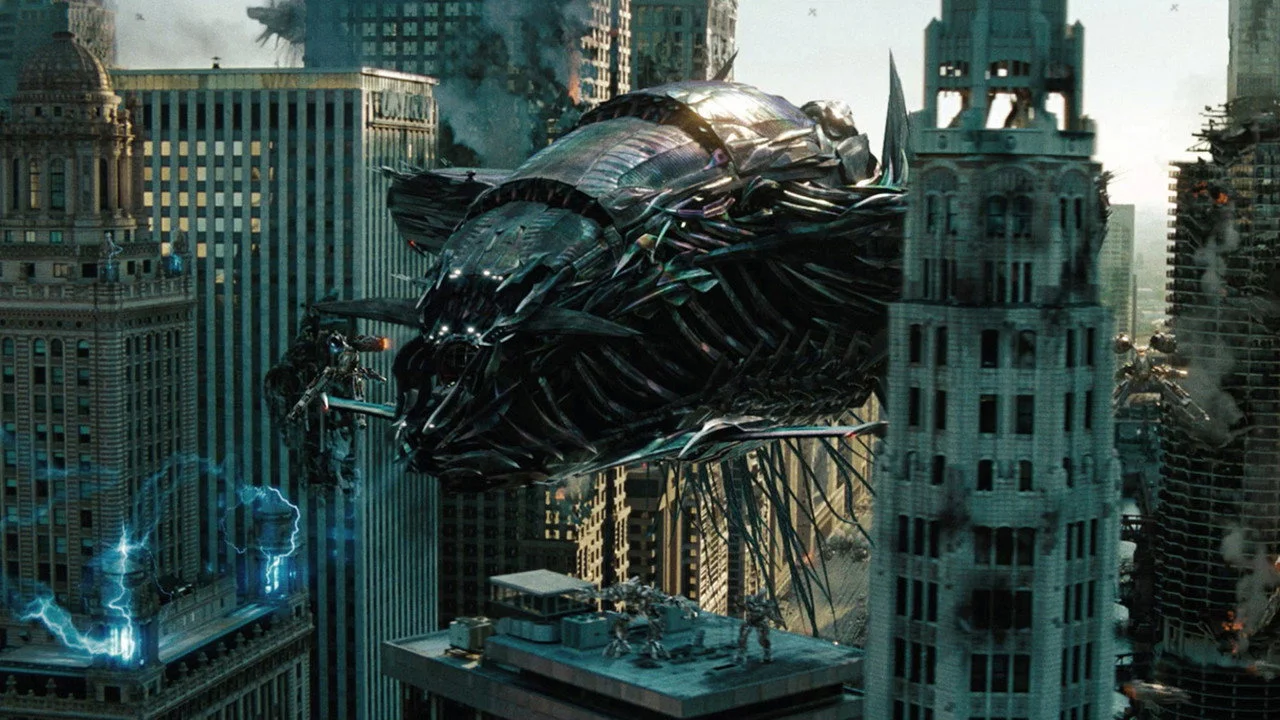
When the Autobots recover Sentinel and revive him, his return unleashes a betrayal reaching back decades and a Decepticon plan to teleport the ruined planet Cybertron into Earth’s orbit and enslave humanity to rebuild it. The third act unleashes that plan on Chicago, turning the city into a war zone of toppling skyscrapers and gravity-warped streets as Sam, his soldiers and the Autobots fight through the rubble to shut the pillars down.
After Revenge of the Fallen was savaged, Bay and the studio set out to make a leaner, more serious film: the juvenile humour dialled back and the maligned twins Mudflap and Skids cut entirely.
Its central conceit reframes real history, casting the 1960s Space Race and the Apollo landing as a cover story for a crashed Cybertronian ship, with Buzz Aldrin appearing as himself to sell it.
Positioned as the end of Bay’s first arc and Shia LaBeouf’s final turn as Sam, the film gives the Witwicky trilogy a clear, brutal, destructive ending before the series rebooted its human cast.
The billion-dollar peak of the original trilogy, its tilting-skyscraper Chicago finale is still cited as the most technically accomplished action the live-action series ever staged.
// INTERACTIVE CHARACTER EXPLORER
Tap any character for the voice actor, the backstory, and our read on how faithful the design and role are to Generation One.
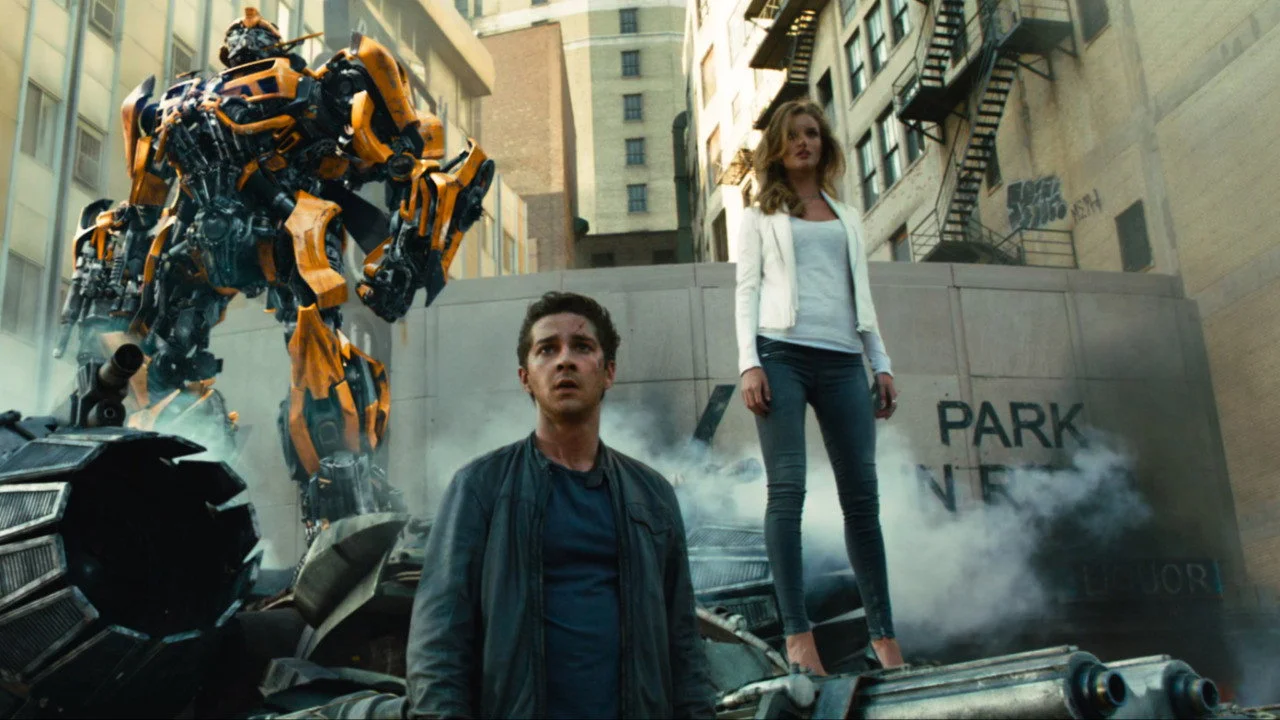
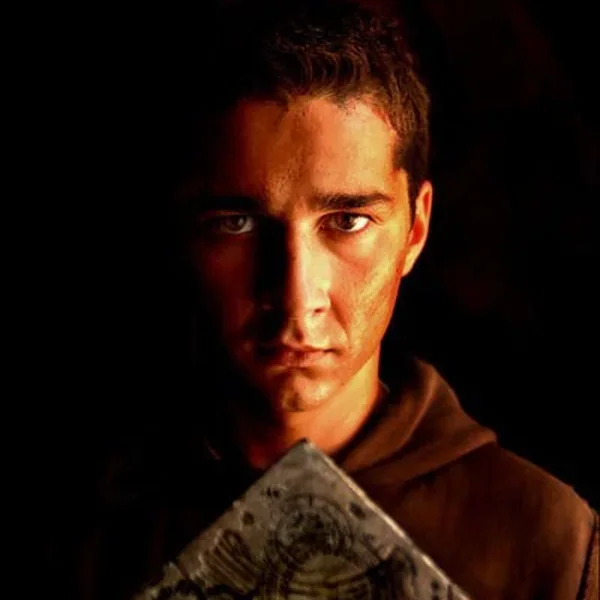 Sam Witwicky Shia LaBeouf The trilogy’s human lead in his final appearance, a jobless college graduate pulled back into the war and fighting through the Chicago siege to save Carly.
  Carly Spencer Rosie Huntington-Whiteley Sam’s girlfriend, an aide to a wealthy executive, in Huntington-Whiteley’s first acting role after Megan Fox left the series.
 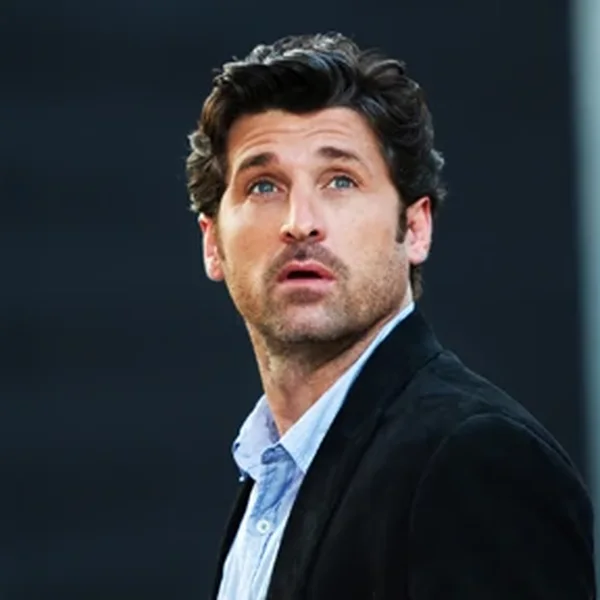 Dylan Gould Patrick Dempsey A slick businessman and secret human collaborator with the Decepticons, Sam’s smooth-talking rival.
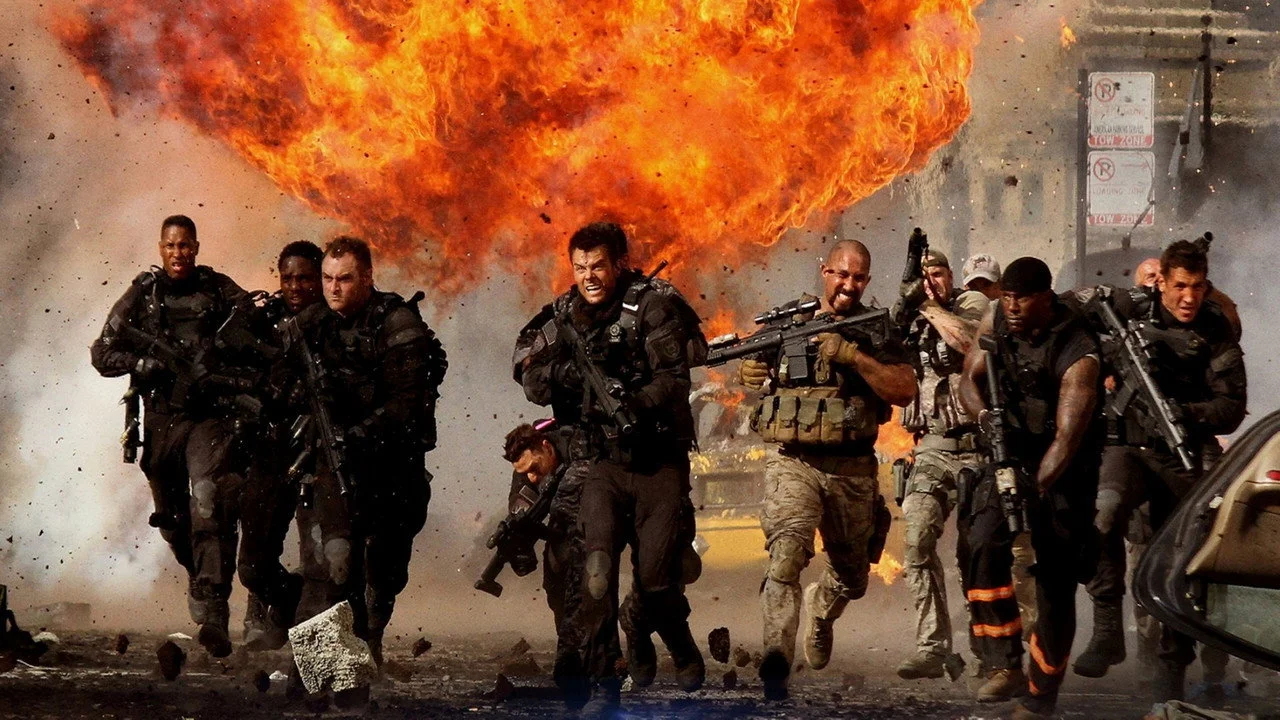
  Colonel Lennox Josh Duhamel The NEST military commander leading the human soldiers, including the wingsuit jump into occupied Chicago.
 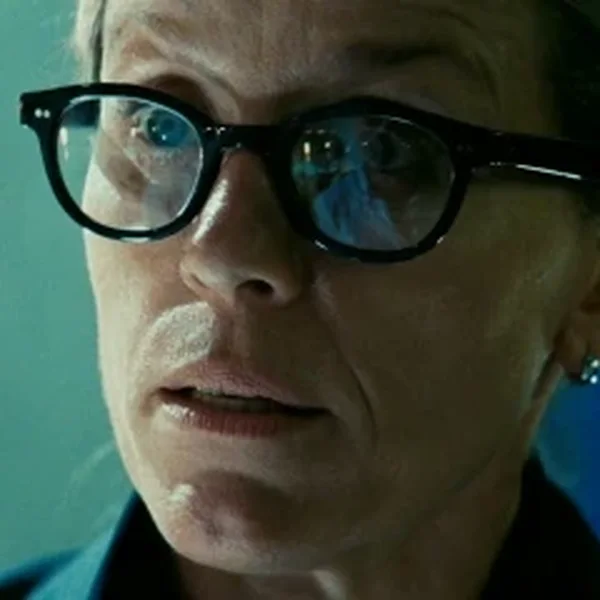 Charlotte Mearing Frances McDormand The National Intelligence Director overseeing the Autobots, a wary government handler.
 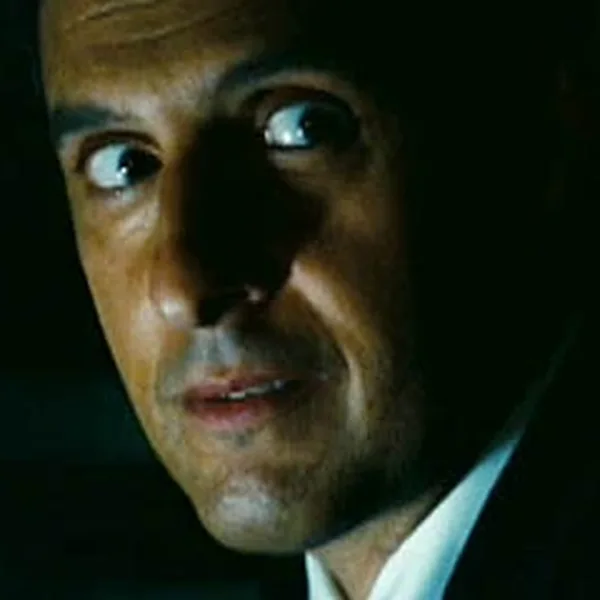 Seymour Simmons John Turturro The former Sector Seven agent turned bestselling author, back to help Sam untangle the Moon conspiracy.
 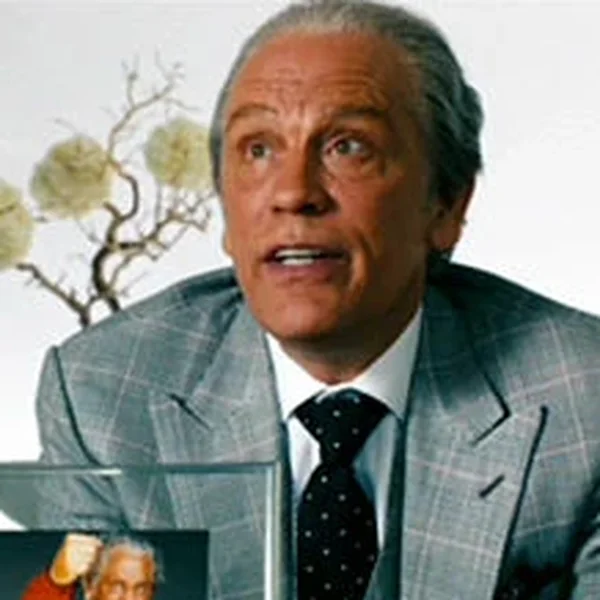 Bruce Brazos John Malkovich Sam’s eccentric corporate boss in the film’s comic early stretch.
 // THE FILM, MOMENT BY MOMENT
The beats the film is built on, walked in order. Click any still to enlarge. Everything from Raising Sentinel Prime on is a spoiler. These slots are built to take two-minute scene clips as they are added; for now, official stills stand in.
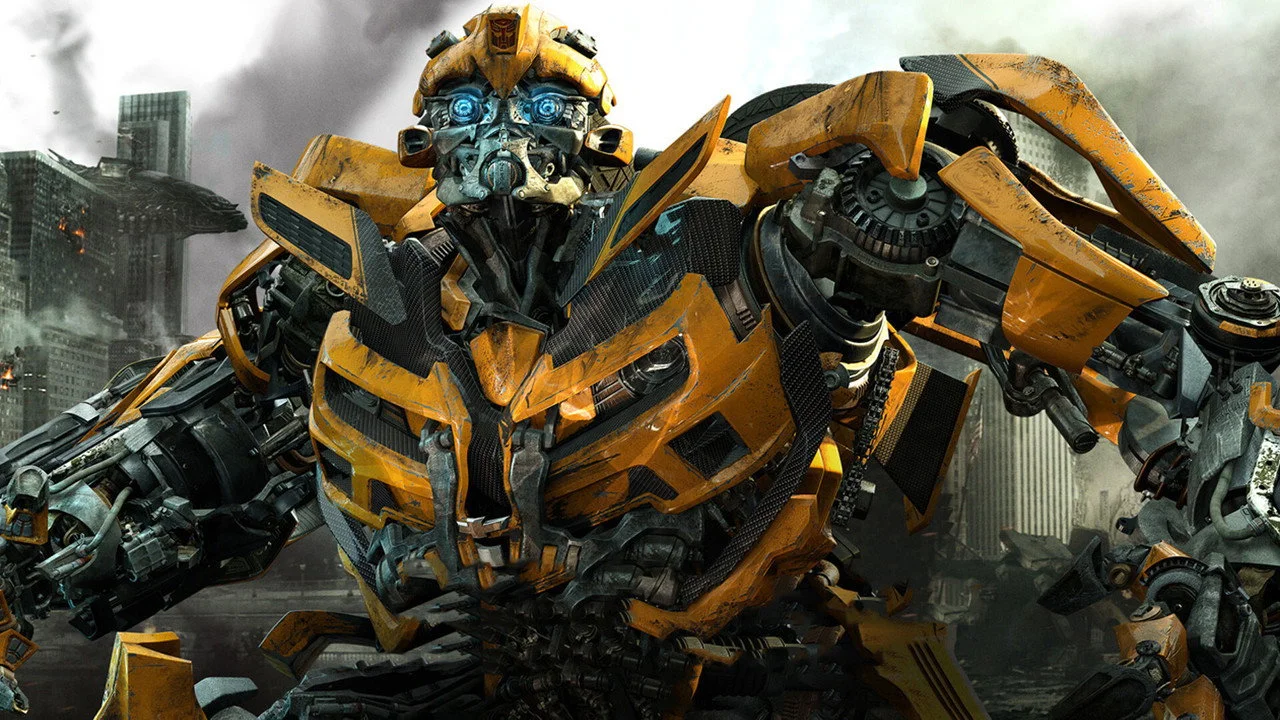
A Cybertronian ship, the Ark, crashes on the far side of the Moon. The United States detects it, and the 1969 Apollo landing is revealed as a covert mission to investigate the wreck and its lost cargo.
Cold open, history rewritten
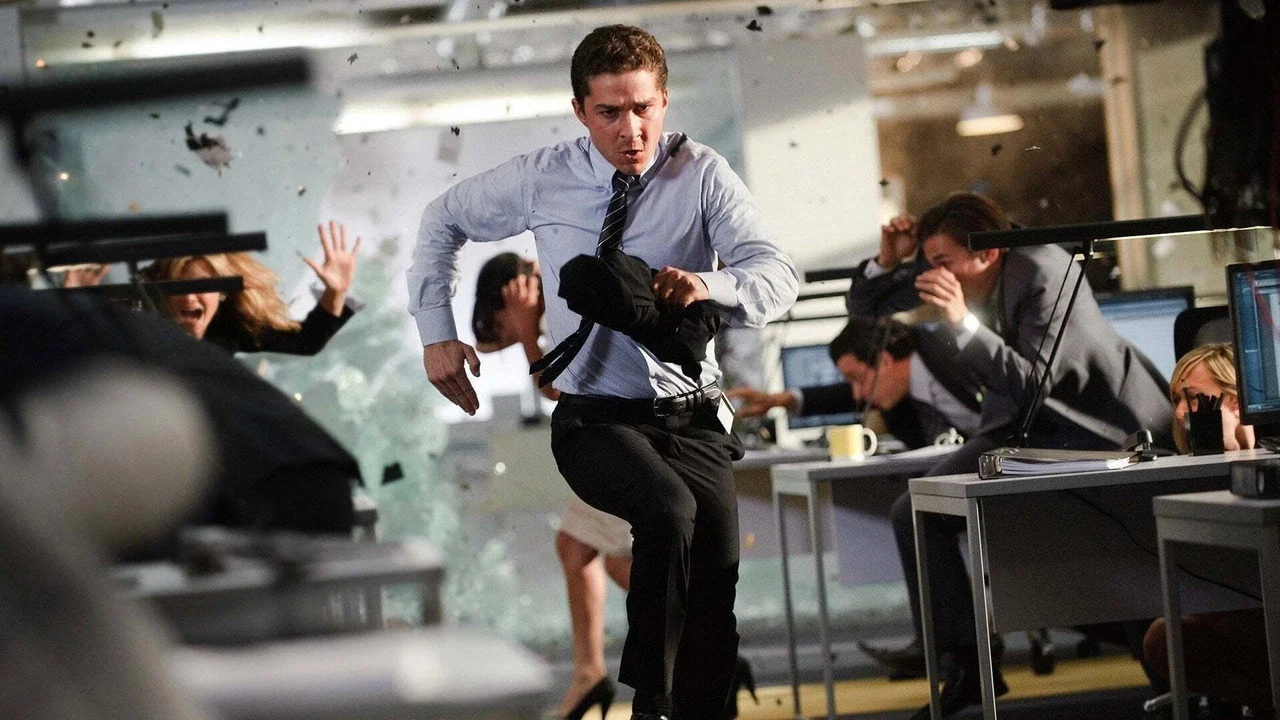
Fresh out of college and unable to find work despite twice helping save the world, Sam Witwicky chafes in a dead-end office job while his new girlfriend Carly supports them.
Human lead introduced
The Autobots recover Sentinel Prime and the pillars from the Ark and revive their lost leader, only for his return to unleash a betrayal reaching back decades.
The turn
Sentinel and Megatron reveal the pillars can build a space bridge to teleport the ruined planet Cybertron into Earth’s orbit and enslave humanity to rebuild it.
The stakes
With the humans forced to expel them, the Autobots appear to leave Earth, and their ship is destroyed, a false low that clears the board before the counterattack.
The false ending
Trapped inside a collapsing, tilting tower sheared apart by the Driller, the human team slides down a shattering glass facade as the floor becomes a wall, the film’s signature set piece.
Second act peak
Decepticons occupy and reshape Chicago into a war zone of toppling skyscrapers and gravity-warped streets, as wingsuit soldiers thread the skyline and the Autobots fight to shut the pillars down.
Third act, ILM
Optimus tears through Sentinel and Megatron without mercy, ending the war and the space bridge. The trilogy closes on its biggest and darkest note.
Resolution
// THE ROAD TO DARK OF THE MOON
Two years from the savaging of Revenge of the Fallen to a leaner, darker, native-3D finale. Scroll the timeline.
Bay shot extensively on location in Chicago with real military support before handing the finale to ILM, and committed to native-3D capture with the Cameron-Pace rigs used on Avatar. The choice forced a calmer, more legible visual style than his usual rapid cutting, producing what many call the most coherent action of the trilogy.
// CRAFT & VFX
Bay shot extensively on location in Chicago with real military support, then handed Industrial Light & Magic the largest urban-destruction work the franchise had attempted, reshaping the city into a collapsing war zone.
Persuaded by James Cameron’s team, Bay shot much of the film with the same Cameron-Pace 3D camera rigs used on Avatar, becoming one of the first major action directors to embrace native stereoscopic capture rather than cheaper post-conversion.
Because 3D punishes chaotic cutting, the format forced a more legible visual style than Bay’s usual rapid-fire editing. The result is widely called the most coherent action of the trilogy, with depth used to sell vertigo and scale.
The worm-like Driller and Shockwave were among the most complex creature builds to date, and the tilting-skyscraper sequence used real wingsuit base-jumpers filmed over the Chicago skyline, blended into the digital carnage.
Directed by Michael Bay; visual effects led by Industrial Light & Magic; shot natively in 3D with the Cameron-Pace rigs developed for Avatar; score by Steve Jablonsky. Nominated for the Academy Award for Best Visual Effects and in both sound categories.
// THE SOUND OF THE WAR
Steve Jablonsky returned for his third Transformers score, building the film’s brooding, choral-driven sound around cues like It’s Our Fight and There Is No Plan, the latter a slowed reprise of his 2007 main theme. Linkin Park again supplied the anthem: their song Iridescent scores the drive to Chicago and opens the end credits, the band’s second run at a Transformers theme after New Divide.
Original score by Steve Jablonsky, the official album playlist via YouTube.
Linkin Park’s Iridescent, the film’s end-credits theme, official video via Linkin Park on YouTube.
// OFFICIAL TRAILER
Official trailer via Paramount Pictures on YouTube. Embedded with youtube-nocookie for viewer privacy.
// THE CAMPAIGN
After the backlash to Revenge of the Fallen, the marketing sold a leaner and more serious film: the juvenile humour dialled back, the maligned twins Mudflap and Skids cut entirely, and a grimmer tone signalled by the tagline Earth will fall.
Trailers and press leaned hard on the native-3D capture and the Chicago finale, positioning the film as a premium-format event and driving a huge share of ticket sales to 3D and IMAX screens.
The campaign built intrigue around its central conceit, that the real 1969 Moon landing was secretly a mission to a crashed Cybertronian ship, with Buzz Aldrin lending real-world weight to the tease.
With Megan Fox gone, the studio built press around Rosie Huntington-Whiteley’s casting as Carly in her first acting role, alongside a prestige adult cast of Malkovich, McDormand and Dempsey.
// AFTER THE CREDITS
Unlike the later Marvel-era blockbusters it shared multiplexes with, Dark of the Moon has no mid- or post-credits scene. The story closes cleanly on the ruined, reclaimed Chicago and the end of Bay’s first arc.
The film was positioned as the finale of Bay’s first trilogy and Shia LaBeouf’s last appearance as Sam Witwicky, giving the Witwicky saga a clear, destructive full stop before the series rebooted its human cast.
// EASTER EGGS & DEEP CUTS
Tap a card to flip it.
// COLLECT THE MOVIE
The Autobots and Decepticons of Dark of the Moon, each linked to its full dossier and figures in our encyclopedia.
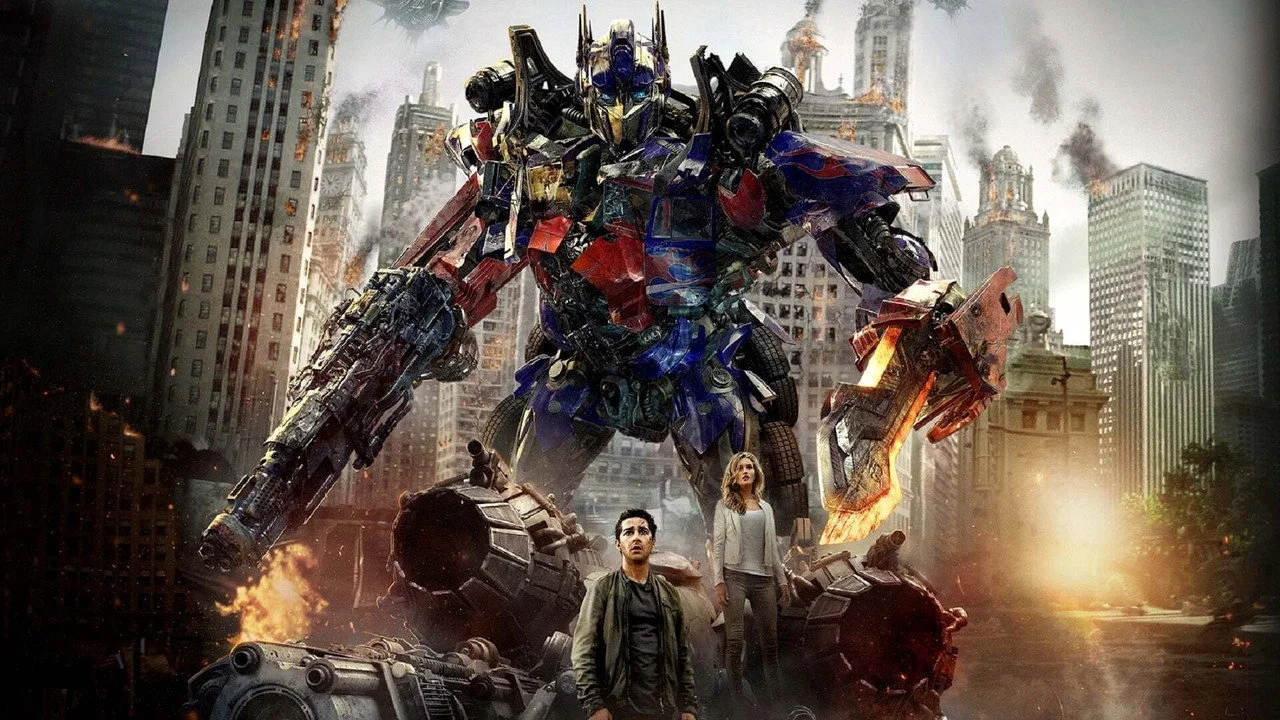
 Optimus Prime The Autobot leader in his most ruthless trilogy turn. Read his dossier and track the figures in the archive. View dossier →
  Sentinel Prime The traitor voiced by Leonard Nimoy. Explore the film’s true villain in the encyclopedia. View dossier →
 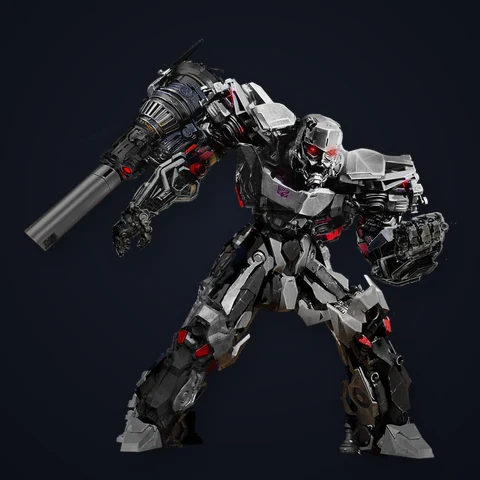 Megatron The broken Decepticon leader hiding in the savannah. Browse his full dossier and figures. View dossier →
  Shockwave The one-eyed Decepticon behind the Driller. See his entry in the archive. View dossier →
  Starscream The treacherous F-22 second-in-command. Walk his history from G1 to the big screen. View dossier →
 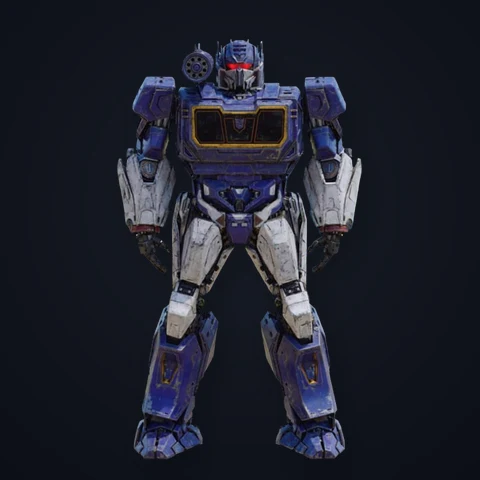 Soundwave The Decepticon spymaster, voiced by original actor Frank Welker. Browse his dossier. View dossier →
 // THE GALLERY
Official stills, grouped by act. Open a section, then click any frame to view it full screen. Built to take the full screencap set as it grows.
// FREQUENTLY ASKED
It is the third film in Michael Bay’s live-action trilogy. When the Autobots discover that a Cybertronian ship crashed on the Moon in the 1960s, they revive its lost leader Sentinel Prime, only for his return to unleash a betrayal and a Decepticon plan to teleport the planet Cybertron into Earth’s orbit. The climax levels much of Chicago.
The film reframes the real 1961 Space Race and the 1969 Apollo landing as a cover story: a crashed Autobot ship, the Ark, lay hidden on the far side of the Moon carrying Sentinel Prime and the war-ending pillars, and the landings were secretly missions to investigate it. Buzz Aldrin appears as himself to sell the conceit.
Leonard Nimoy voices Sentinel Prime, the Autobots’ revived former leader who turns out to be the film’s true villain. Nimoy had previously voiced Galvatron in the 1986 animated Transformers: The Movie, and the film nods to his Star Trek legacy with a Wrath of Khan line.
Fox did not come back after a public falling-out with the production. Model Rosie Huntington-Whiteley was cast as Sam’s new girlfriend Carly in her first acting role.
No. Dark of the Moon has no mid-credits or post-credits scene. The story closes cleanly on the reclaimed Chicago and the end of Bay’s first arc.
It grossed about 1.124 billion dollars worldwide against a reported budget near 195 million, becoming the first Transformers film to pass a billion, the fifth film ever to do so at the time, and the second-highest earner of 2011.
Yes. Bay shot much of it natively in 3D using the Cameron-Pace rigs developed for Avatar, rather than converting a 2D image in post. The Chicago finale is widely cited as a technical high point of the series.
In the United States it streams on Paramount+ with a subscription, and is available to rent or buy on Fandango at Home, Amazon Video, Apple TV and other major storefronts, plus DVD, Blu-ray and 4K.
// WHERE TO WATCH
Streams on Paramount+, or own the 4K UHD.
Some links on this page are affiliate links that support transformers.tv. We may earn a commission on qualifying purchases at no extra cost to you.
Pick your side
Hero80 Network